The same book every night
It is doing more than it looks like it is doing.
Why they do it
A book you have read four hundred times is boring to you and not to them. A small child is not reading for the plot — they already know the plot, which is the point. They are learning the words, the rhythm, and the enormous pleasure of knowing what happens next before it happens.
Knowing the ending is what makes the book safe enough to enjoy. That is why the request is always for the same one, and why a brand new book is sometimes met with a flat no.
How to use it
Let them finish the sentences. Stop just before the word they know and wait. Most children will fill it in, and that is reading long before any reading happens.
Then use the favourite as the bridge. A child who has worn out one book will often take another that feels like it — the same rhythm, the same kind of pictures, the same sort of joke — where an unrelated book gets refused. The book they love is the best clue you have about what they will take next, which is exactly what this site is built on.
When to worry
Essentially never. Children move on from a book when they are finished with it, and not before. The one thing worth doing is keeping something new within reach — on the shelf, not pressed on them — so that when they are ready, there is something there.
Books to keep within reach
Story books with a rhythm to them — the kind that get read until they fall apart.
These links earn us nothing. No shop pays for a place on this list. How this site makes money
Sitting through a picture book
-
P

Paddington goes shopping
Michael BondSame author — it will feel familiar.
-
G
-
F

-
D
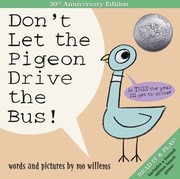
Don't Let the Pigeon Drive the Bus!
Mo WillemsA picture book with thick board pages.
Ready for a longer story
-
G

The great big Paddington book
Michael BondSame author — it will feel familiar.
-
C
-
L
-
H
