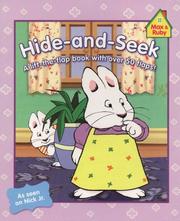
When they will not sit still for a book
Almost always the book, almost never the child.
What it usually is
A child who squirms off your lap two pages in is not telling you they dislike books. They are telling you that this particular book asks for something they cannot do yet — usually sitting still through someone else's story, which is a genuinely hard skill and arrives at wildly different times.
Give the same child a book with a flap in it and they will often stay for all of it, because now there is something for them to do. The attention was never the problem; the job the book was asking for was.
What to try
Drop a step rather than pushing. Offer something they can act on — lift, press, touch, point at — and let them finish it. Finishing a book is the habit worth building, and a short book they finish beats a good book they abandon.
Let them hold it. A lot of "won't sit still" is "won't sit still while somebody else holds the book", which is a different complaint entirely.
And stop when they stop. A book closed early and offered again tomorrow is a book they may love. A book pushed to the end is one they remember being made to sit through.
When to move back up
Watch for them finishing things. When a child starts sitting to the last page of the books they can act on, they are usually ready to sit through one they cannot. That is the signal — not a birthday, and not what the back of the book says.
Books that give them something to do
Flaps, textures and things to press — for a child who will not sit through a story yet.
These links earn us nothing. No shop pays for a place on this list. How this site makes money
Still chewing and pointing
-
S
-
M
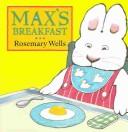
Max's breakfast
Rosemary WellsHas thick board pages, like the ones they already enjoy.
-
C
-
C
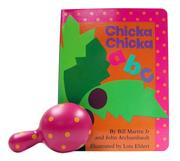
Chicka chicka a b c
Bill Martin Jr.One for a child who likes letters.
Lifting flaps and pressing things
-
W
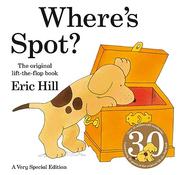
-
H
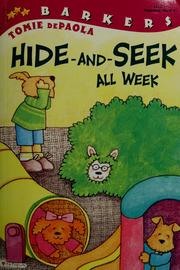
Hide-and-Seek All Week
Tomie dePaolaHas flaps, like the ones they already enjoy.
-
P
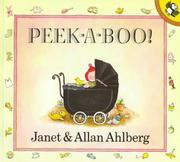
-
H